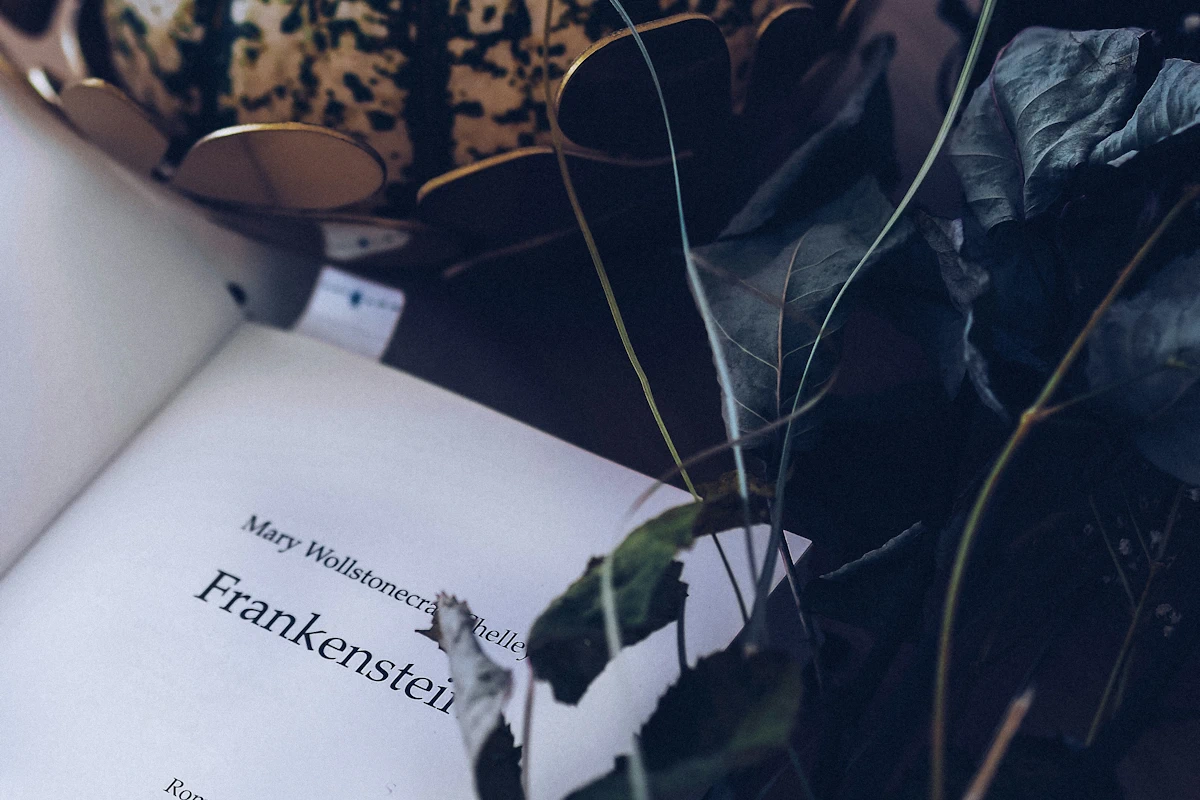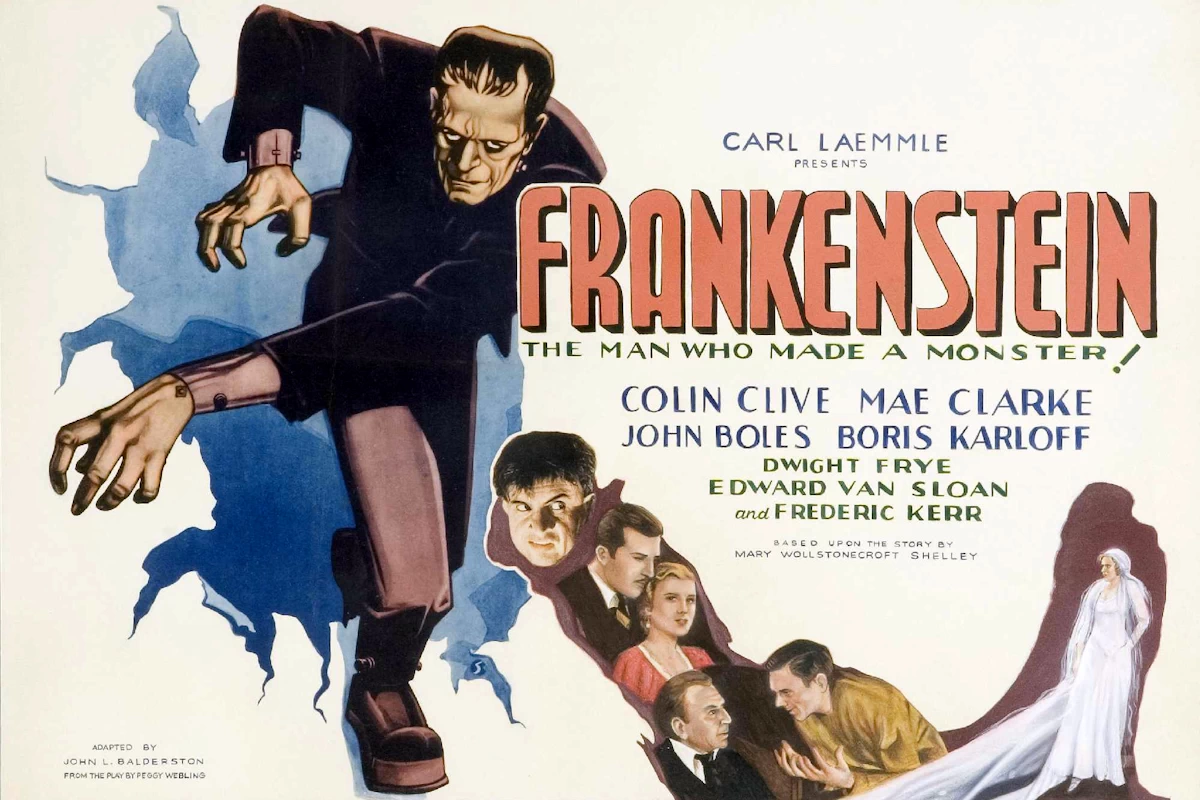
The Horror that Brings Mary Shelley’s Frankenstein to Life

A Tortured Soul + a Friendly Bet + a Vivid Dream = a Horrific Creature
Her beliefs, experiences, and a dream created Mary Shelley’s Frankenstein, a Modern Prometheus.
A Painful Childhood
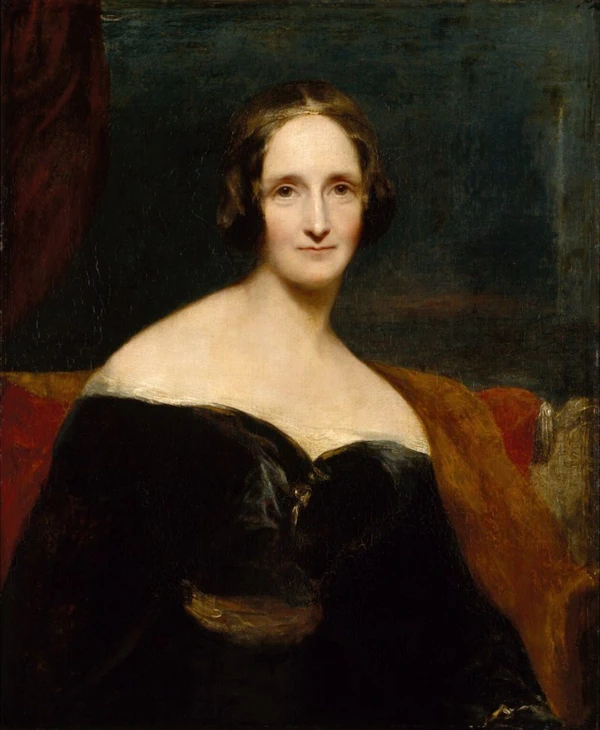
Mary Shelley’s mother, Mary Wollstonecraft, was famous in her own right as a feminist. She died of complications while giving birth to Mary – something that caused chronic suffering for her daughter.
Mary Shelley’s husband, Percy, was a follower of Shelley’s father Godwin, who had very liberal philosophies. I suppose Percy just assumed that Godwin would accept the affair with his 16-year-old daughter, even though Percy was 5 years older and married with children.
Ooooh. Not so. After Percy Shelley left his wife to travel the world with Mary and her step-sister Claire (both of whom were having affairs with him and others), Godwin turned his back on them all due to the public outrage caused by their arrangement.
The Loss of a Child
Mary became pregnant but lost the baby girl, causing a deep depression and recurring nightmares of her dead daughter. Looking for change, in 1816, Mary, Claire, and Percy settled in Geneva with poet Lord Byron and his lover, William Polidori, an author and physician.
A Friendly Bet
The horror genre was in its infancy, so one day, they all decided to have a competition to see which of them could write the best horror story. (Polidori wrote The Vampyre, published in 1819 – one of the first vampire novels in English.)
A Vivid Dream
Mary Shelley pondered her storyline for weeks, eventually having a dream about a scientist who created life and then was horrified by what he had made, laying the foundation of her Frankenstein story.
Mary Shelley’s Frankenstein is intensely influenced by her experiences:
- guilt of her mother’s death at her birth
- feelings of abandonment by her father, who raised her with certain moral ideas but rejected her for living them
- grieving her daughter’s death
- her fears of losing Percy Shelley in one of his many affairs
The Nightmare of Technology
Her novel is also influenced by the ideas of the mid-1800s, which, no doubt, were the topic of many debates with her housemates, such as galvanism (the contraction of muscles stimulated by an electric current), the occult, emerging technology, and the rise of the gothic horror story. They all piqued her interest and stirred her imagination.
Mary Shelley’s beliefs, conversations, experiences, and a nightmare created a story that, according to William Patrick Maynard, “best reflects the ethical and moral issues that arise when technology consistently outpaces its maker’s ability to reconcile progress with the established strictures of society.”
Frankenstein, a Modern Prometheus, Debuts
Mary Shelley’s Frankenstein was published in 1818 when she was only 20 years old.
It was printed anonymously in London – probably due to the negative regard for female authors at the time, especially for the horror genre.
The preface was written by her husband, Percy Bysshe Shelley, who was a famous poet at the time, and was dedicated to her father, Edwin Godwin, a journalist, political philosopher, and novelist himself.
It was released in a series of 3 volumes – called the Triple Decker – as was standard in publishing at that time due to the cost of printing and binding. (Volume 1 funds the printing of subsequent volumes.)
With its popularity, it was reprinted in France in 1823, this time naming its now-famous author after she was given credit as the monster’s creator in the stage play Presumption; or, the Fate of Frankenstein by Richard Brinsley Peake.
On Halloween, 1831, it was reprinted in one volume but was heavily revised because Shelley was under pressure to make it more conservative. This is the edition that is usually found in bookstores today.
Want more?
See the differences between 1818 version written when Shelley was 20 years old versus the 1831 volume. Easy comparison chart.