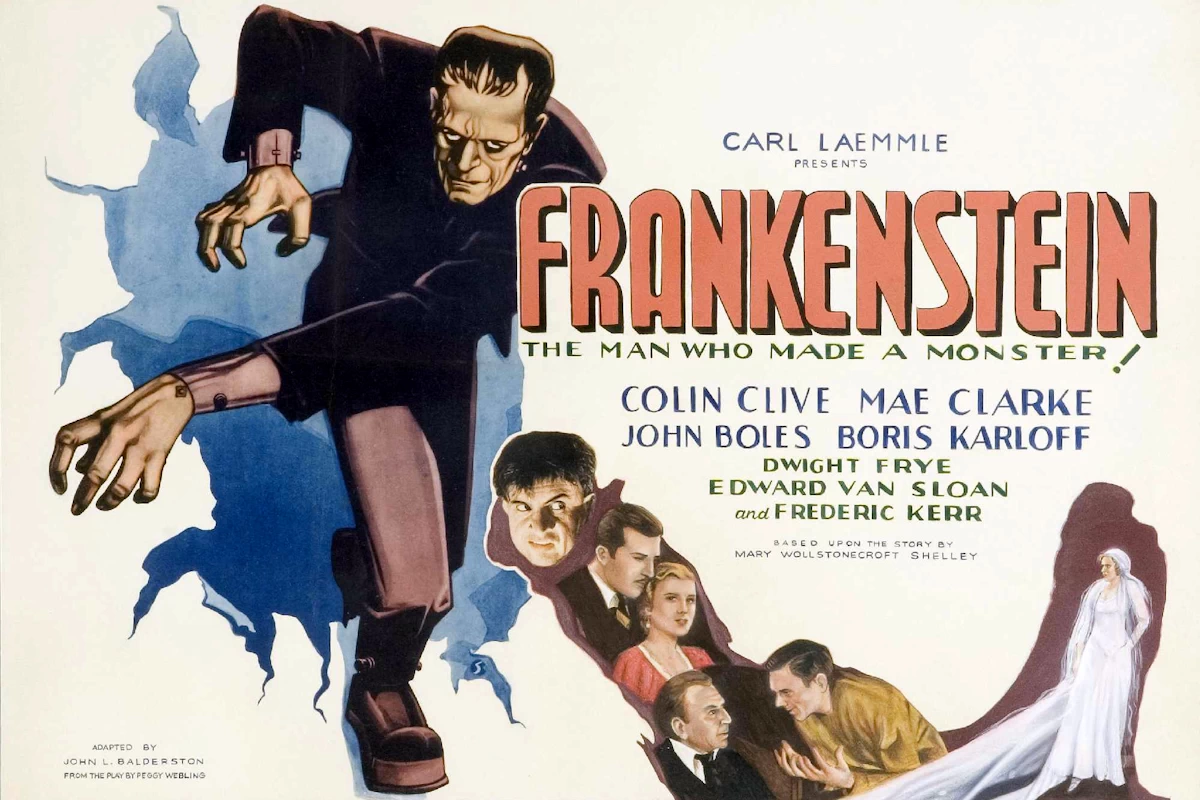
Differences Between the 1818 and 1831 Versions of Frankenstein by Mary Shelley
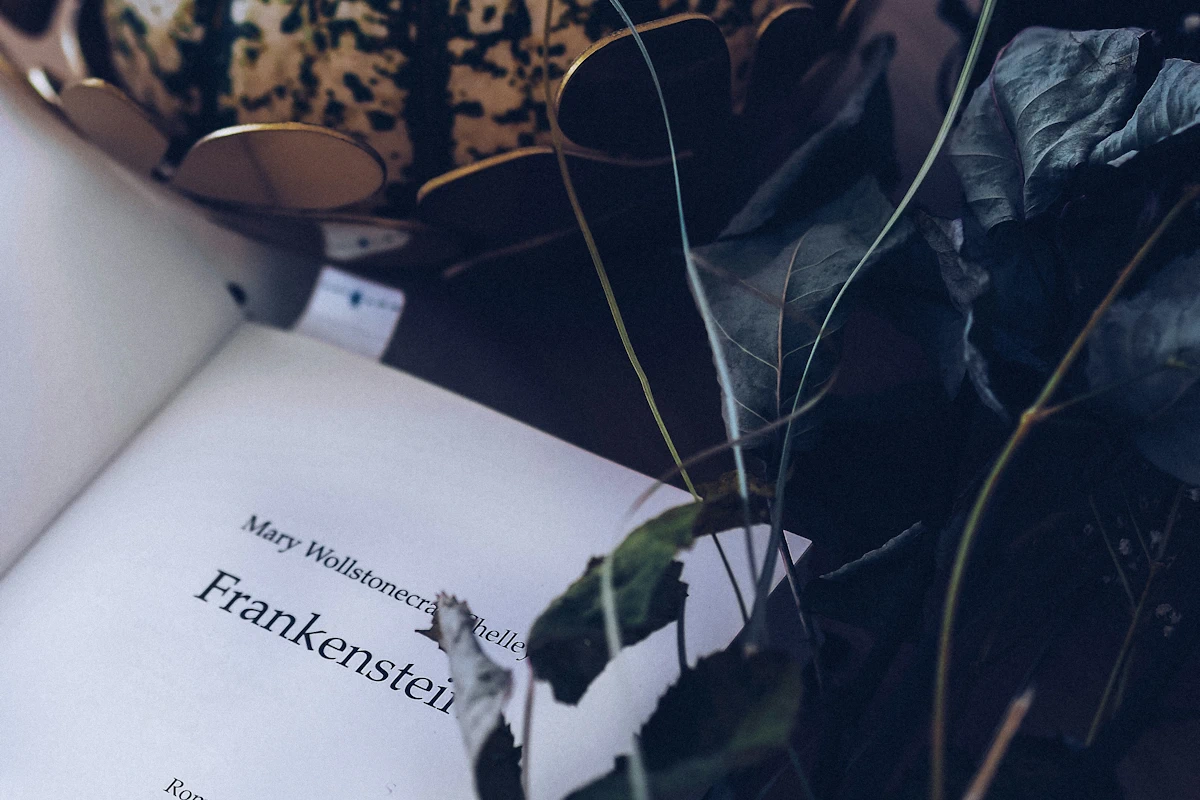
If you’re wondering which version of Frankenstein to read — the 1818 original or the 1831 revised edition — you’re not alone.
Mary Shelley’s two versions tell the same haunting story but reveal very different sides of her vision and her life. Below, we’ll explore the key differences, and you’ll find a handy comparison table at the end to help you decide which version you’d like to dive into.
1818 Edition (Original, Published Anonymously)
Fate vs. Free Will: The 1818 text leans more on free will—the tragedy is a result of human decisions, not destiny.
Tone & Style: More radical, youthful, and daring—Shelley was only 20! The language is bold and full of revolutionary energy.
Themes: Emphasis on human free will, ambition, and responsibility. Victor is portrayed as someone who chooses his path (he’s accountable for creating the creature).
Background of Victor: His interest in science comes from choice and curiosity—inspired by reading alchemists and philosophers. It feels like Victor could have made a different choice if he wanted.
Elizabeth’s Character: She is Victor’s cousin (in the 1818 version).
1831 Edition (Revised, More Conservative)
Overall Feel: Less revolutionary, more cautionary—warning against overstepping human limits, with a heavier religious/moral undertone.
Tone & Style: Darker, more fatalistic, and more gothic. Shelley was older, widowed, and had been through significant personal tragedy by this time.
Themes: Stronger emphasis on fate and destiny. Victor seems like a man swept along by forces outside his control, rather than someone making bold, flawed choices.
Background of Victor: His obsession with science is explained through fate—he’s almost destined to follow this dangerous path.
Elizabeth’s Character: She is adopted into the Frankenstein family (not a cousin).
Additions: Shelley wrote a new introduction in 1831 that frames the story as inspired by a nightmare, giving it an even spookier gothic context.
Comparison of the 1818 and 1831 Versions of Frankenstein by Mary Shelley
| Feature | 1818 Edition | 1831 Edition |
|---|---|---|
| Tone & Style | Bold, radical, full of youthful energy; emphasizes human potential and ambition. | Darker, gothic, more somber; shaped by Mary Shelley’s personal tragedies. |
| Themes | Focus on free will—Victor makes conscious choices and is responsible for the consequences. | Focus on fate/destiny—Victor seems swept along by forces beyond his control. |
| Victor’s Interest in Science | Sparked by his own curiosity and choice, reading old alchemists and philosophers. | Described as inevitable—he’s portrayed as destined to pursue dangerous knowledge. |
| Elizabeth’s Role | Victor’s cousin in this version. | Victor’s adopted “sister” in this version. |
| Overall Message | A revolutionary warning about human responsibility in creation and knowledge. | A moral cautionary tale with heavier religious and fatalistic undertones. |
| Preface / Introduction | Preface written by Percy Bysshe Shelley (Mary’s husband). | New introduction by Mary Shelley herself, framing the story as inspired by a nightmare. |
Interested in reading a “sequel”?

There is a new “sequel” to the 1831 version of Frankenstein, called The Dark Descent, that focuses on Elizabeth Frankenstein as Victor’s adopted sister.
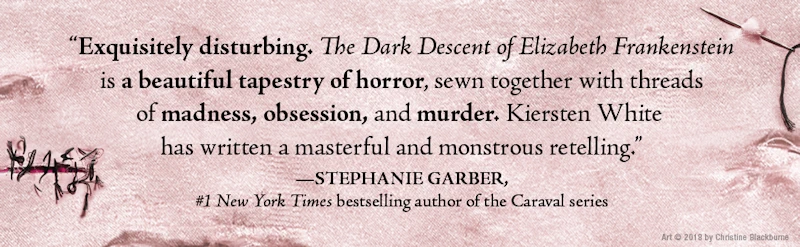
FRANKENSTEIN SEQUEL

Dean Koontz Frankenstein Series
“Welcome to the mystery, the myth, the terror and the magic of Dean Koontz’s Frankenstein… If you think you know the legend, you know only half the truth… In modern-day New Orleans, Victor Frankenstein is creating a near-immortal race of they are stronger, heal better, and think faster than humans – and not even Victor can stop the engineered monsters he’s set loose.“
5 Book Set.